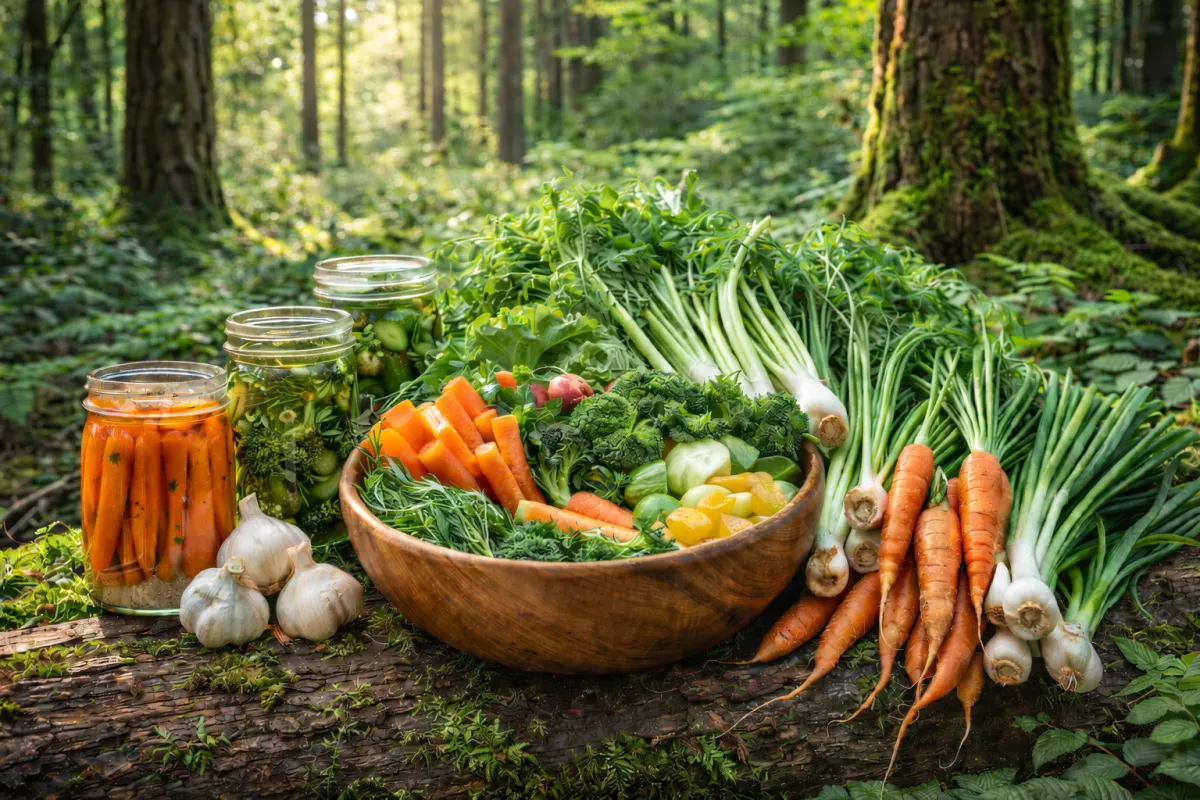
The Hidden Power of Your Gut Bacteria
How They Shape Your Weight and Health
5 MIN Read
Gut Health
Most of us think of bacteria as something to fight off — germs, infections, the bad guys. But here’s the truth that changed everything for me: right now, trillions of tiny living microbes are living in your digestive system, and they’re not just hanging out. They’re working hard every day to help you feel energized, keep your weight steady, and even support your mood. When I first learned this, it felt like someone finally handed me the missing piece of the puzzle.¹
Your Gut’s Secret Team of Helpers
Imagine your gut microbiome as a huge, bustling kitchen staff inside you — thousands of little chefs working around the clock. They take the food you eat and turn it into energy, nutrients, and signals your body uses to stay balanced. They’re not random — they’re a living community that can either help you thrive or quietly make things harder if they get out of balance.
New research is showing that this inner team plays a surprisingly big role in how your body handles weight, stores fat, burns energy, and even responds to insulin. When the kitchen staff is happy and diverse, everything runs smoothly: you feel lighter, more energized, and less prone to cravings. When they’re stressed or outnumbered by the wrong crew, it’s like the kitchen gets chaotic — weight gets stubborn, energy dips, and inflammation starts simmering in the background.²
The Surprising Link to Weight
I’ll never forget how eye-opening this was: in studies, scientists took gut microbes from people carrying extra weight and put them into lean animals. Even when those animals ate the same food as before, they started gaining more fat. That’s not about calories — that’s about how the microbes are directing traffic in the body.³
One big way they do this is through insulin sensitivity. When your gut team is in good shape, your body uses carbs better for fuel instead of storing them as fat, keeps muscle strong, steadies your energy, and helps quiet those “I need to eat everything” urges. When the team is off, insulin struggles, fat storage ramps up, and weight feels impossible to shift — even when you’re doing “all the right things.”⁴
Diversity Is Your Gut’s Superpower
The healthiest gut kitchens have lots of different chefs — diversity matters. People living more traditional, nature-connected lives tend to have richer, more varied gut communities than those of us in busy modern cities. That variety helps everything run better: digestion, immunity, metabolism, even mood.⁵
Friendly Helpers: Probiotics from Food
Probiotics are those beneficial microbes you can invite in through food. They’re like adding extra skilled chefs to your kitchen crew. Eating them regularly supports digestion, strengthens immunity, and can help your body find a healthier weight balance. Some of my favorites (easy to add in):
Natural yogurt with live cultures
Fermented kimchi
Fermented Sauerkraut
Kefir
Kombucha
Miso
Tempeh
Soft goat or sheep cheeses with live cultures
Feed the Good Guys: Prebiotics
Prebiotics are the food that keeps your helpful microbes strong and growing — think of them as the high-quality ingredients your kitchen staff needs to do their best work. They help produce compounds that calm inflammation, balance hunger signals, and support a healthier body composition. Great sources include:
Leeks and onions
Garlic
Raw chicory root
Jerusalem artichokes
Green bananas
Cooled, pressure-cooked potatoes or potato salad (resistant starch)
Sorghum or millet
Asparagus
Blueberries
Ground flaxseeds
Dandelion greens
Protecting Your Gut from Modern Life’s Curveballs
Today’s world can throw off your gut team without you even realizing it. Antibiotics (when not truly needed), overly sterile environments, limited time in nature, and pollutants can all quietly reduce microbial diversity.⁷
A few gentle ways to protect and rebuild:
Use antibiotics only when your doctor says it’s essential
Choose organic or grass-fed, pasture-raised meats when you can
Spend time outdoors — gardening with bare hands, walking in parks, hiking — to meet new helpful microbes
Eat a wide variety of whole, minimally processed foods
Excessive hand sanitizers, antibacterial soaps, and staying indoors too much can limit exposure to the natural microbes that help keep your gut resilient. Spending time in soil, fresh air, and green spaces is like giving your inner kitchen staff a refreshing break — they come back stronger.⁸
Investing in Your Gut for the Long Game
Caring for your gut microbes isn’t just about digestion — it’s one of the most powerful ways to support how your body uses energy, manages weight, and feels day to day. Your daily choices — what you eat, how much time you spend outside, how you rest — directly shape this inner world.
When you prioritize variety, real food, and gentle connection with nature, you’re giving your gut team the tools to help you feel lighter, more energized, and more like yourself again. It’s not about perfection — it’s about small, loving choices that add up over time.
You deserve to feel vibrant, strong, and joyful in your body. Your gut is ready to help — it just needs a little encouragement from you.
Footnotes:
Clinical observations and emerging research link gut microbiome support to symptom relief in midlife women. See: "Gut Microbiota in Menopause: Current Insights," PMC, 2022–2025 reviews (associations between dysbiosis and energy, bloating, joint pain, mood).
Hormonal shifts influence microbiome composition and vice versa (the estrobolome); dietary changes can help restore balance. See: "The Gut Microbiome and Menopausal Health," Nutrients, 2024 (role of prebiotics, polyphenols, fermented foods in hormonal symptom management).
"Effects of Dietary Sugars on Gut Microbiota and Metabolic Health," Nutrients, 2023 (added sugars alter microbial diversity and contribute to dysbiosis).
"The Evidence Behind Seed Oils' Health Effects," Johns Hopkins Bloomberg School of Public Health, 2025 (balanced view on omega-6s and inflammation in typical diets).
"Low-Grade Inflammation and Ultra-Processed Foods Consumption: A Review," PMC, 2023 (links to inflammation and gut imbalance).
"Artificial Sweeteners: A Double-Edged Sword for Gut Microbiome," PMC, 2025 (potential dysbiosis effects in some individuals).
"Dietary Carrageenan Amplifies the Inflammatory Profile... in Crohn's Disease," Inflammatory Bowel Diseases, 2025 (gut irritation evidence).
